An Analysis of Preventive Electrical Assessment
Most homeowners and business owners think about their electrical system only when something stops working. A light flickers. An outlet won't hold a plug. A breaker trips during a rainstorm. The circuit panel feels warm to the touch. By that point, the problem has often been developing for months or years—silently creating fire risk, energy waste, and damage that gets exponentially more expensive to repair the longer it persists.
We work with electrical professionals and homeowners across the Northeast, and we've seen the pattern repeat enough times to recognize it clearly: a preventive inspection catches issues before they become emergencies. What we wanted to understand is whether the numbers actually support this intuition. They do—decisively. The data on residential electrical failures, fire prevention, and repair costs tells a story that anyone evaluating whether to call an electrician now or wait should hear.
This analysis pulls together research on residential electrical hazards, the findings that emerge from preventive inspections, and the financial case for assessment over emergency repair. We've looked at industry statistics on failure modes, insurance data on claims, and the long-term costs of deferred maintenance versus planned work.
A single electrical fire can destroy a home and cost a family their lives. Three out of every four of those fires could have been prevented by a qualified inspection in the years before the failure occurred.
If you're deciding whether to schedule an inspection this year or assume everything is fine, this is what you should know before making that call.
Electrical Fires by the Numbers
-
1 in 12
American homes have at least one serious electrical defect. Most occupants don't know it exists and carry that risk without planning.
-
900+ annually
Electrical fires kill an average of 900 people per year in residential settings across North America, accounting for 8–10% of all fire deaths overall.
-
73%
Of electrical fires are preventable through regular inspection and maintenance before the hazard becomes a fire that spreads.
-
$0.85
The average return on every dollar invested in preventive electrical safety measures, when calculated across repair costs and risk avoidance.
These numbers matter because they tell a clear story: waiting for a crisis is not a cost-saving strategy. A breaker that trips frequently, outlets that warm to the touch, flickering lights in multiple rooms, or scorch marks inside the panel aren't quirks to live with—they're warnings. An inspection costs between $100 and $300. A house fire costs everything. The math is straightforward, and it favors assessment over avoidance.
What an Inspection Gives You
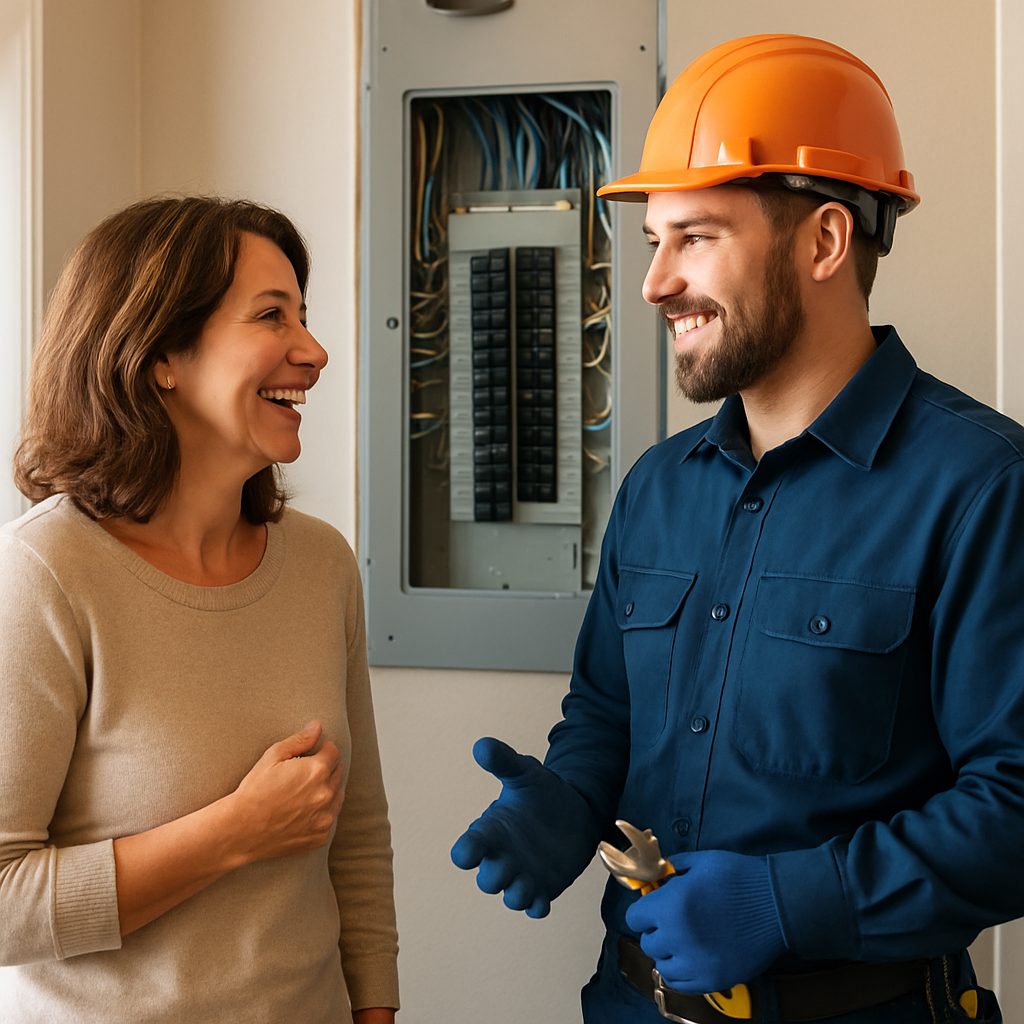

The electrical professionals we work with don't push inspections as unnecessary upsells. They recommend them because they've seen firsthand what happens when an electrical system fails without warning. An inspection gives you three things that matter: peace of mind that your home is safe for you and your family, a clear and honest picture of what you're actually dealing with inside the walls, and the information you need to make decisions rather than react to emergencies in the middle of the night.
When you get a preventive inspection, you're not signing up for a sales conversation. You're getting a diagnostic assessment from someone who understands electrical systems deeply. They'll test circuits, check connections, look for code violations, and assess the capacity of your panel for future needs like EV chargers or heat pump systems. Then they give you a report that explains what they found in language that makes sense to someone without a technical background.
If your home is more than 20 years old, if you've experienced power interruptions or breaker trips, if you're planning a renovation or significant electrical upgrade, or if you're simply unsure about the age and condition of your system, an assessment is a logical first step. It answers the question you're trying to avoid asking: "How close am I to a real problem?" That answer is worth far more than the few hundred dollars it costs.
Ready to Understand Your System?
An electrical inspection isn't a high-pressure sales environment. It's a diagnostic conversation with a licensed professional who has the training and tools to give you accurate information about your home's most critical infrastructure. If you have questions about whether your home or business needs an inspection, or you want to know what to expect from the process, reach out to a professional in your area and ask.