Our Process
Good electrical work follows a sequence. Every step matters because electricity doesn't forgive shortcuts. We assess, plan, execute, test, and document. That's the standard approach used by professionals who build systems that last and homeowners can trust.
The difference between a quick fix and a lasting installation is the willingness to do every step right, even when nobody's watching.
The Reference Framework
Professional electrical work operates within a clear framework set by the National Electrical Code (NEC) and state and local amendments. This framework exists for a reason—it's been built from decades of real-world experience, lessons learned from failures, and rigorous safety science. When you're evaluating an electrician's process, look for someone who references the code as their baseline, not as a hurdle to work around.
The best professionals we know start every project by understanding three critical things: what the current conditions are, what the code requires for that specific application, and what the intended outcome needs to be. From there, they plan the approach, walk you through it step by step, execute it according to that plan, test every circuit and connection, and provide documentation you can keep for future reference. That's the process that builds trust and prevents problems years down the road when your electrical system needs maintenance or upgrades.
The code isn't meant to slow things down—it's meant to ensure that the work will be safe today and remain safe tomorrow. A professional who knows the code thoroughly can work efficiently because they're not guessing. They know what works, what works best, and what doesn't work at all.
Verification & Documentation
How to Use This Process
-
Assessment
Before anything happens, evaluate the current system. What's already there, what works, what doesn't, and what the code requires for your specific situation and application. This step determines everything that follows and prevents wasted effort.
-
Planning
Map out the approach with you. Where will new circuits run, what equipment is needed, what's the timeline, and what's the investment. This is your chance to understand the reasoning and ask questions before the work starts.
-
Execution
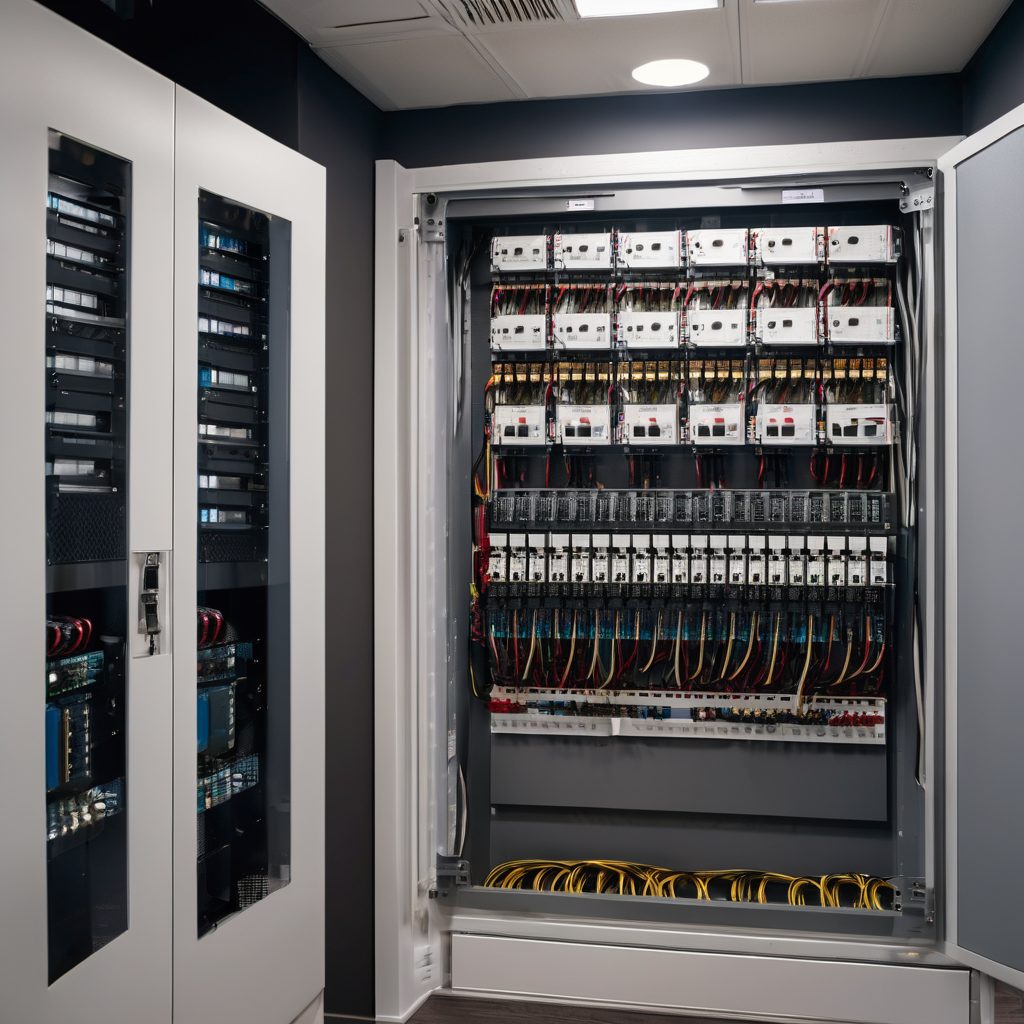
The work itself follows the plan. Routes for conduit and wire, connections, terminal work, and panel organization all happen in a deliberate sequence. The goal is a system that's safe today and maintainable for years.
-
Testing & Handoff
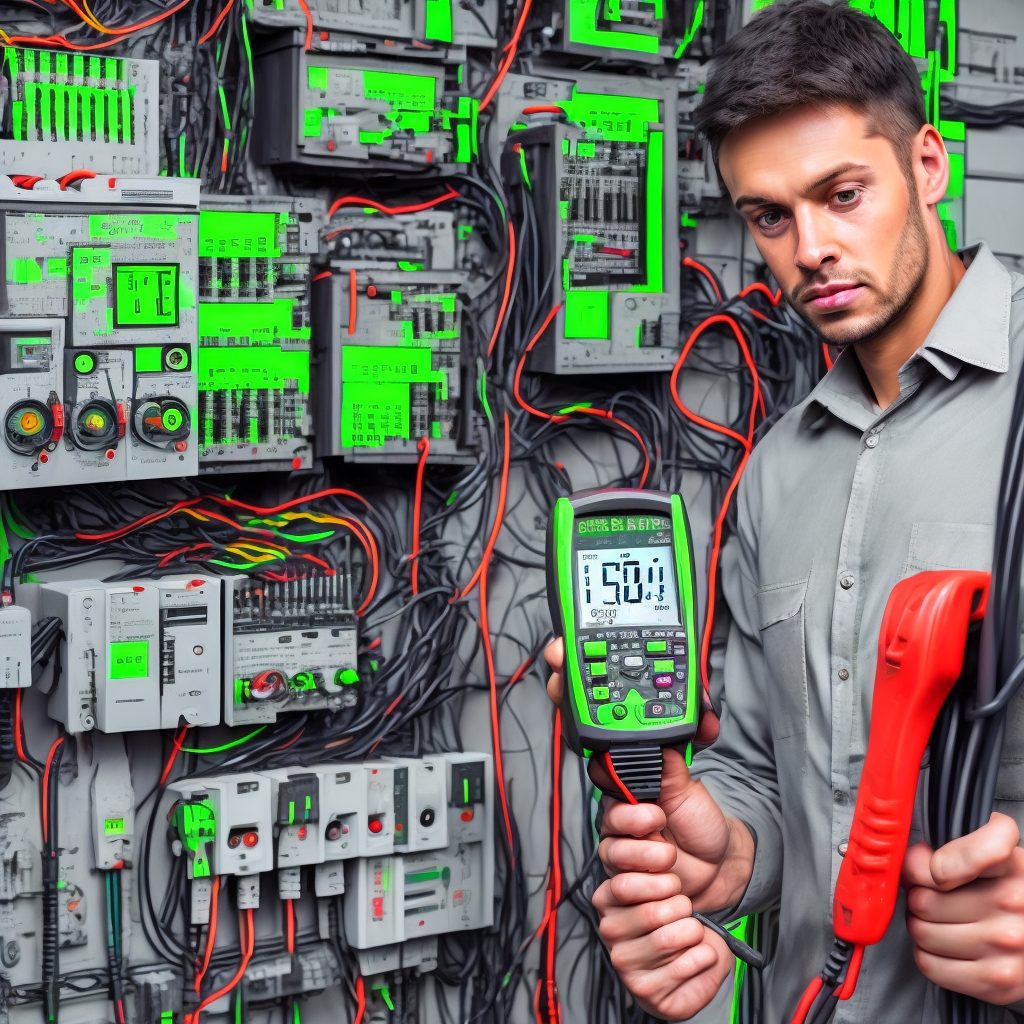
Before anything is energized, every circuit gets tested with proper equipment. You receive documentation—photos, circuit labeling, the permit, and the inspection report. You have everything you need for future service.
Why This Process Matters
A process that includes assessment, planning, execution, testing, and documentation isn't slower than skipping steps—it's smarter. When you follow this sequence, you get a system you understand. You have records for future work. You know what was done and why. That knowledge protects you if problems emerge later or if the system needs upgrades. This is the framework that prevents problems and keeps electrical systems working safely for years to come.