Team Expertise
The professionals we recommend have spent years mastering the technical and safety demands of electrical work. They're certified, continuously trained, and built careers around getting it right.
Real expertise means knowing not just what to do, but why it matters and when to say no to shortcuts.
Licenses, Specialties and Training Questions
How do I know if an electrician is actually licensed?
A licensed electrician carries credentials from their state's licensing board and can show you a license number. Massachusetts and New Hampshire both maintain public registries you can search online. Real credentials take years of apprenticeship and testing—if someone can't produce them on the spot, that's your sign to keep looking.
What's the difference between a residential and commercial electrician?
Residential electricians work on single-family and multi-unit homes. Commercial electricians handle office buildings, retail spaces, and industrial facilities. The electrical code is the same, but commercial systems are more complex—higher voltages, more sophisticated load management, and different safety demands. A good electrician might work both, but they'll tell you where their strongest expertise lies.
Why does training matter for electrical work?
Electricity kills. Training teaches you to see hazards most people miss—ground faults, code violations, fire risks hiding inside walls. Ongoing education keeps electricians current on new equipment, changing codes, and emerging technologies like EV chargers and smart-home integration. This isn't vanity; it's how safety gets maintained.
What to Expect
Experience and Training in Numbers
Technical Foundation
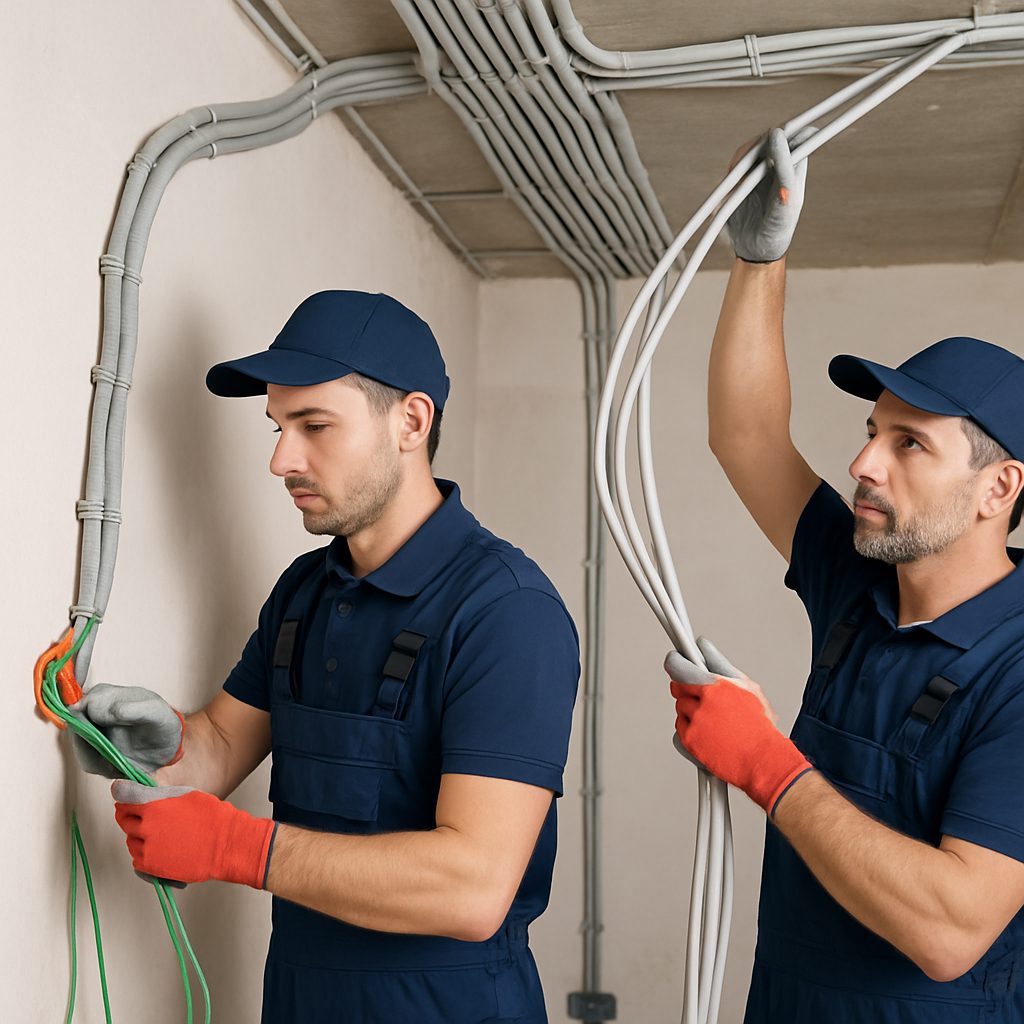
Professionals we recommend started with electrical apprenticeships—4 to 5 years of combined classroom and on-site training under a master electrician. That foundation teaches both the National Electrical Code and the judgment calls that keep systems safe. It's not a weekend seminar; it's a deliberate curriculum built over decades by the industry itself. Continuing education keeps them sharp on new code changes, emerging equipment, and technologies like EV charging systems that didn't exist ten years ago. Training through accredited programs like the Electrical Training Alliance ensures they've studied the same standards and problem-solving approach as licensed electricians nationwide.
When you're evaluating expertise, look for credentials that stick around. A journey-level license is permanent; continuing credits prove they stayed engaged. Most importantly, look for electricians who will explain their reasoning—why they're choosing one approach over another, what safety concerns they're seeing, what building code applies to your situation. That transparency shows someone who owns their work and understands the 'why' behind every decision.
Credentials
- Trained through curriculum developed by the Electrical Training Alliance, the joint NECA-IBEW apprenticeship and continuing-education program
Ready to Connect
When you need electrical expertise, you're looking for someone who knows their craft inside out. That's who we recommend.