Expertise Areas
Understanding your electrical needs is the first step toward making a sound decision. Electrical work isn't interchangeable—residential systems carry different considerations than commercial installations, safety inspections demand specialized training and equipment, and modern additions like electric vehicle charging require precise code compliance and coordination with utility requirements.
The difference between adequate service and genuinely reliable infrastructure comes down to specificity. Someone can wire a bedroom, but can they diagnose why your master bathroom keeps tripping its breaker? Someone can install an outlet, but can they size a panel upgrade to handle a future heat pump without choking your whole-house capacity? These are the distinctions that separate routine work from the kind of expertise that stands up over years of actual use.
This guide walks you through the major electrical service areas we see most often. Each one solves a different problem, each carries its own code requirements, and each one is worth understanding before you pick up the phone. The better you understand what you're looking at, the better questions you can ask, and the clearer the scope of work becomes.
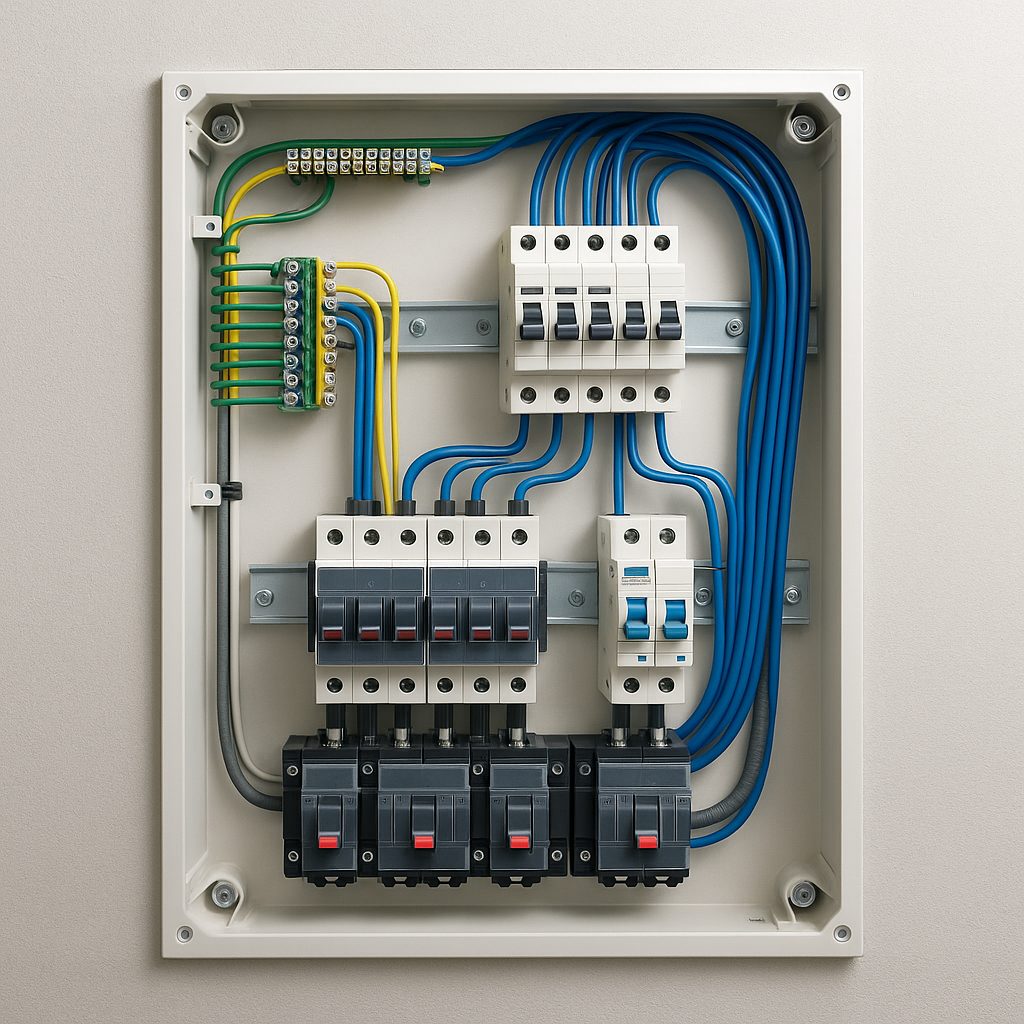
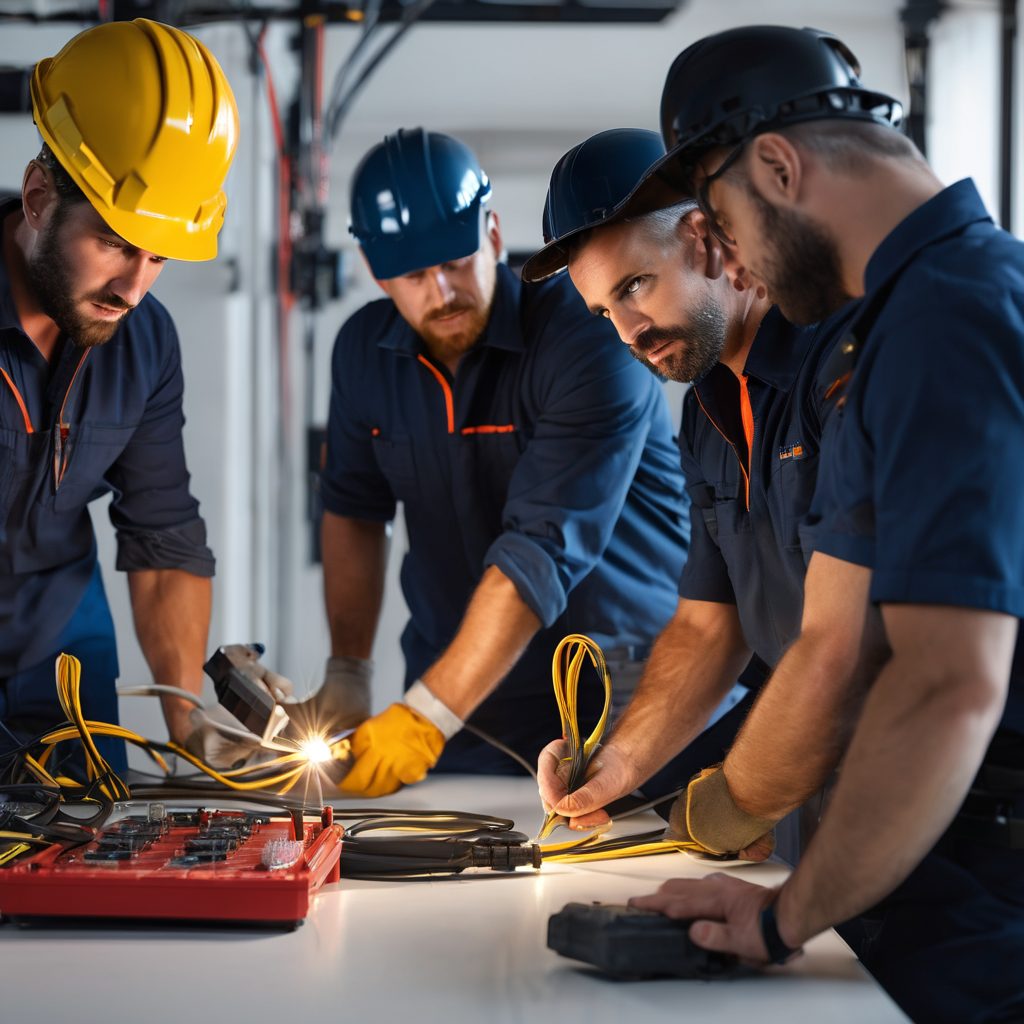
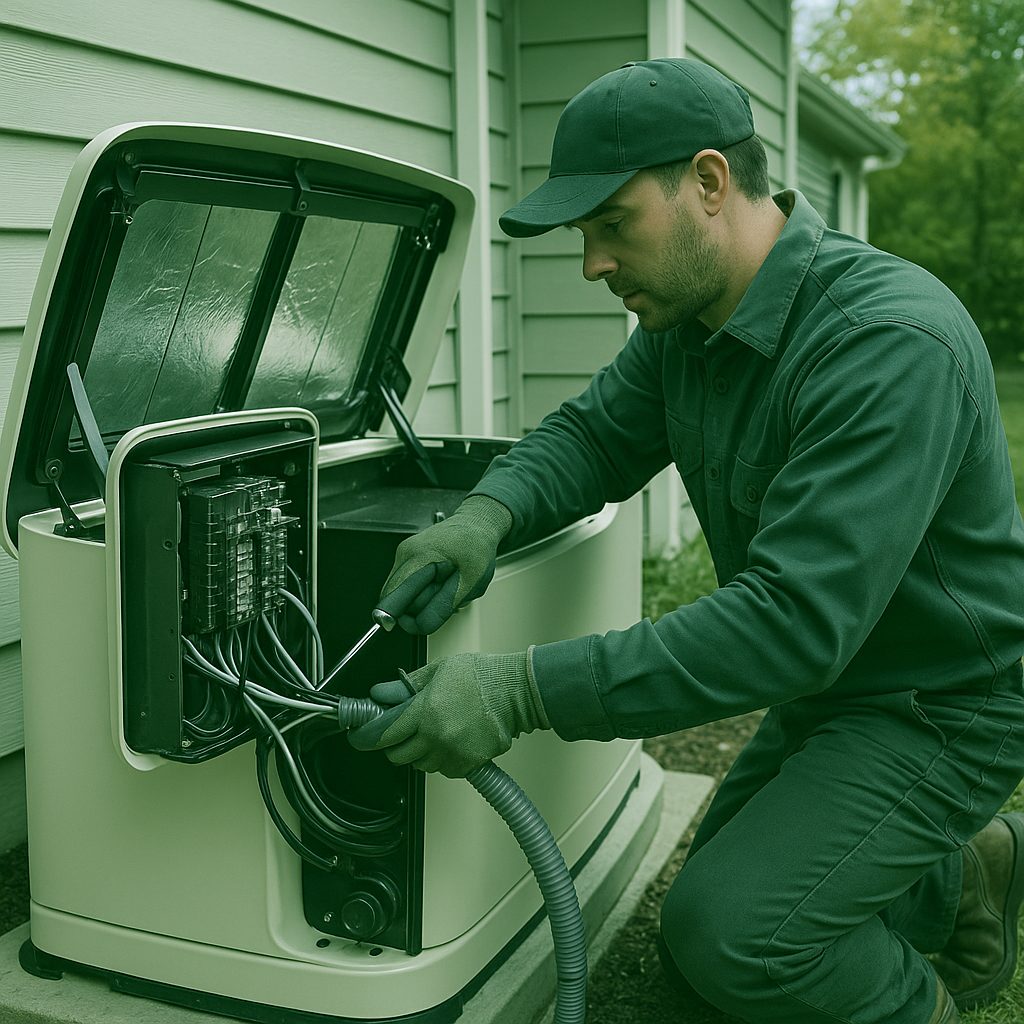
Panels, Crews and Backup Generators
Matching Your Problem to the Right Service
Start by identifying which service area matches your actual situation. A safety inspection is your first step if you've noticed flickering lights, outlets that don't work reliably, a burning smell near the panel, or if you're living in a home where the wiring hasn't been updated in decades. Homes built before the 1970s often still carry aluminum wiring or cloth-wrapped conductors that present genuine hazards. An inspection quantifies the risk and tells you what needs attention now versus what can wait. EV charger installation becomes relevant whether you're thinking of going electric next year or you already own a vehicle and need the infrastructure. Utility and state rebates can cover part of the cost, and most of them require a permitted installation by a licensed electrician, so ask before you buy the charger. Panel upgrades become necessary when you're planning a kitchen renovation, adding a heat pump for heating and cooling efficiency, or your current service is undersized for your household's electrical demands—which happens more often in older homes that can't support modern appliance loads.
Once you've identified your need, the next question is always code compliance. Every legitimate upgrade follows the National Electrical Code. Ask what the timeline looks like—a full safety inspection typically takes two to three hours, while a panel upgrade might need half a day or more depending on whether the service entrance needs rewiring. Always ask what's included in the estimate. The best electricians break down their work into line items because there shouldn't be surprises between the quote and the invoice. You're not just hiring a tradesperson; you're investing in your home's or building's safety, reliability, and future resale value. Understanding these categories helps you recognize which professional you actually need and what you should expect to pay for quality work that lasts.
Additions and basement finishes belong on that list too. Each new room needs its own circuits and a lighting plan that passes inspection, so it is worth asking how the new work will tie into the existing system before the walls are closed up.