Service Areas
When you're planning an electrical project, one of the first things to understand is scope: what actually needs to happen, what the code requires, and what choices sit in front of you. Service areas matter because they determine whether a given approach will work at all.
The best project is the one you understand from the start—where you know what you're paying for and why it costs what it does.
The work we evaluate and recommend falls into distinct categories: home safety inspection, commercial system upgrades, EV charger installation, and preventive maintenance of existing systems. Each category carries its own set of technical requirements, code compliance points, and cost drivers. Understanding where your project sits helps you ask the right questions and budget appropriately.
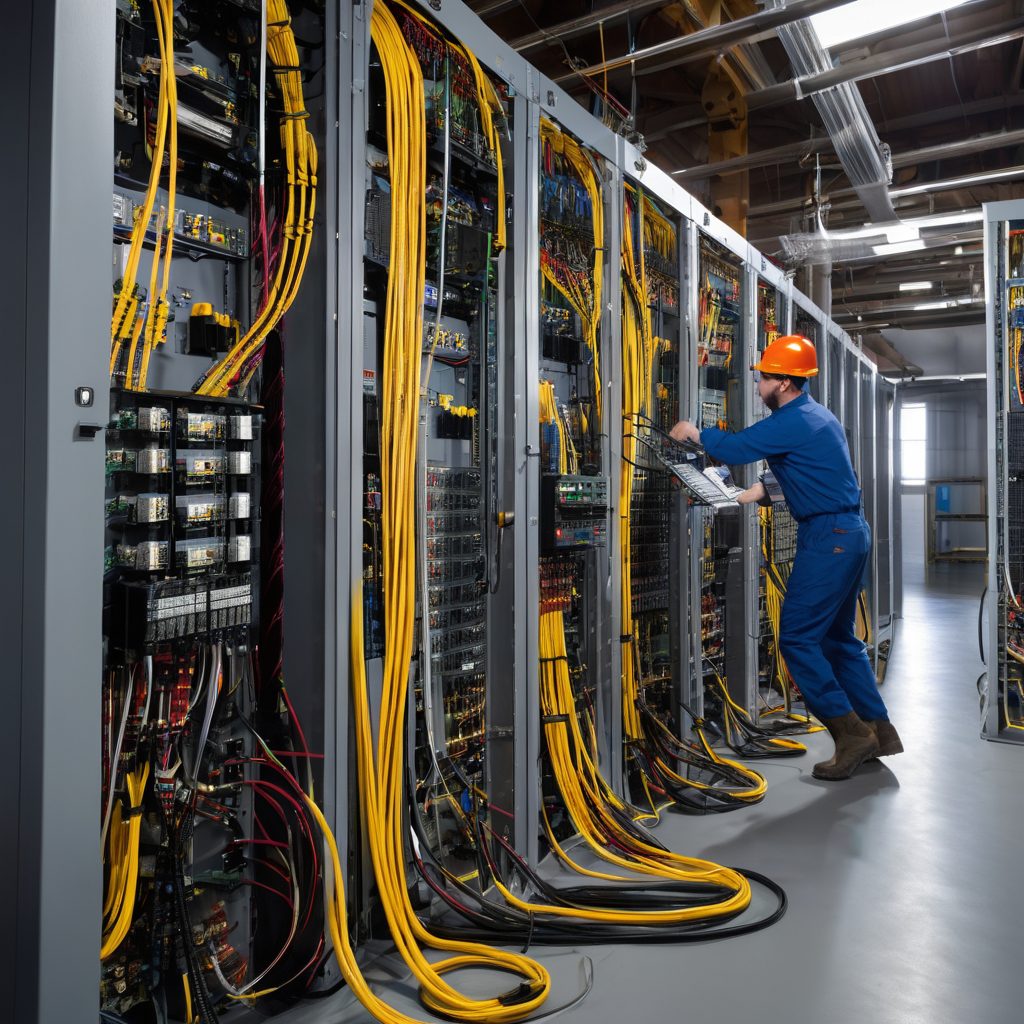
A residential safety inspection is about finding hazards before they become failures or fire risks. You're looking for worn insulation, overloaded circuits, outdated equipment that no longer meets code. Commercial work is about capacity, reliability, and meeting the higher standards required by code for businesses open to the public or industrial environments. An EV charger installation requires specific power delivery and proper circuit protection to make charging safe and fast. Preventive maintenance keeps existing systems running without surprises during peak demand.
Whether you're a homeowner concerned about aging wiring, a business owner planning infrastructure investment, a contractor adding new service to a building, or someone wanting to add new capability to your electrical system, the category of work determines the approach, timeline, budget, and permitting requirements. Each demands different expertise, different materials, different safety protocols, and different code compliance checkpoints. Getting that right from the start prevents expensive mistakes later on.
What Each Type of Job Runs Into
-
Residential Safety
Home electrical systems age. Wear on wiring, degraded breakers, and overloaded circuits are common findings. A safety inspection catches problems before they cause fire risk or catastrophic failure during peak usage.
-
Code Compliance
Electrical codes change every few years. Work that was correct ten years ago might not meet current standards. New installations and upgrades must comply with the National Electrical Code in effect when the work is performed or permitted.
-
EV Charging
Installing a Level 2 charger requires a dedicated 240V circuit run to the garage or driveway location. Not all homes have adequate service capacity or panel space. Sometimes a full panel upgrade is necessary before the charger can be installed safely and to code.
-
Commercial Scale
Businesses operate with higher electrical demands and face stricter code enforcement from inspectors. Commercial work involves three-phase service, backup power systems, emergency lighting, and enhanced safety documentation that residential systems don't require.
Wiring Runs and Outdoor Lighting